

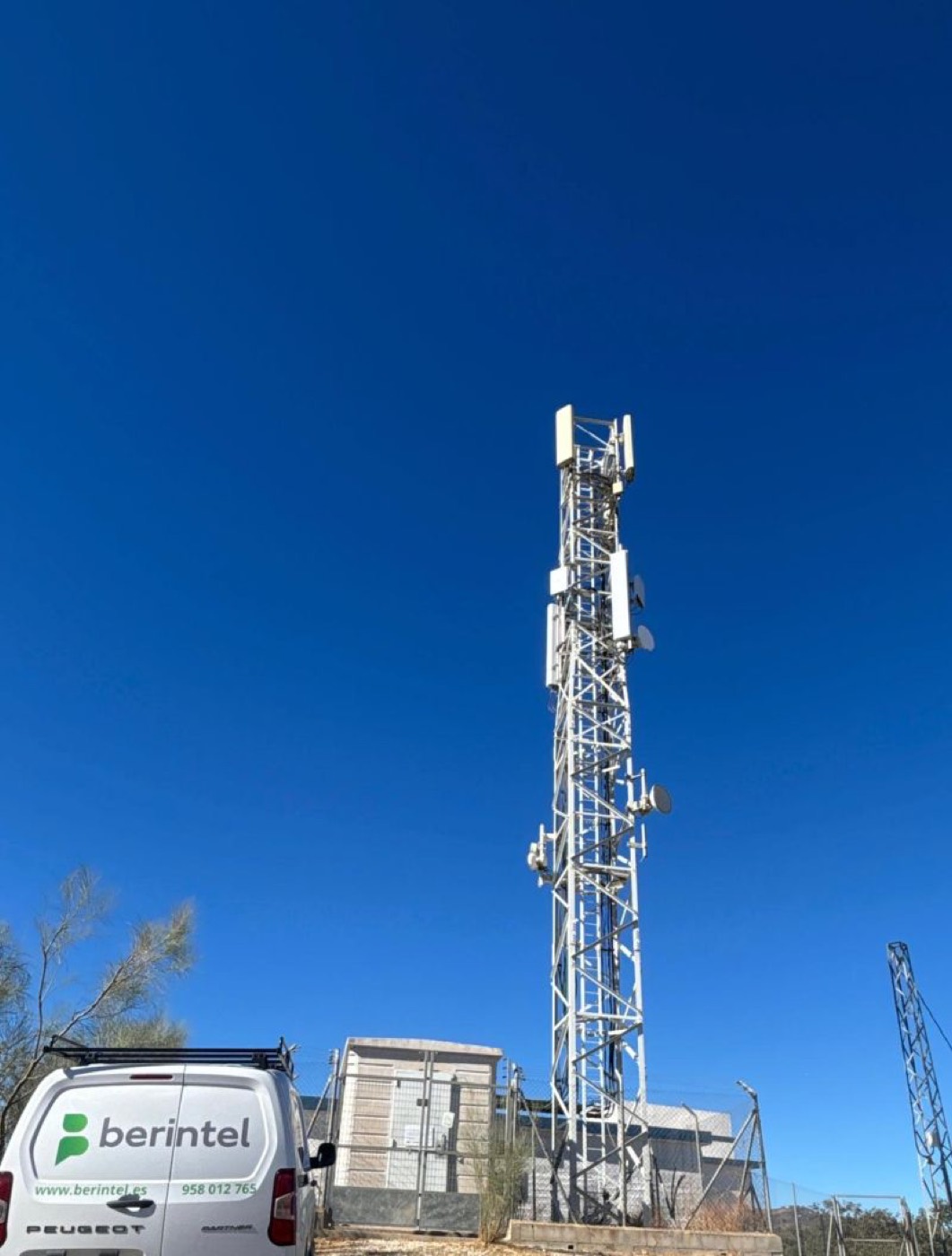
5G network deployment is the process of planning, installing and commissioning all the infrastructure that the fifth generation of mobile telephony needs to work: sites, towers, antennas, radiating systems and the transport network that ties them together. In this article we explain what 5G is, how it improves on 4G, how a deployment is carried out step by step and why it matters so much for businesses and regions across the whole of Spain.
What is 5G?
5G is the fifth generation of mobile networks, the standard that succeeds 4G and redefines what we expect from a wireless connection. It is about far more than browsing faster from your phone: 5G is designed to support millions of connected devices, respond in near real time and adapt to very different uses, from high-definition video to industrial automation or the connected car.
To achieve this, 5G mobile networks use new frequency bands, smarter antennas and a flexible network architecture that allows resources to be reserved according to each need. In essence, it is the technological foundation on which the digital services of the coming decade will be built.
How it improves on 4G
The differences from the previous generation are far from minor. 5G delivers qualitative leaps in three key parameters:
- Speed: it offers transfer rates well above those of 4G, allowing large volumes of data to be downloaded and streamed in a fraction of the time.
- Latency: it drastically reduces the network's response time, approaching real-time communication. This is essential for critical applications such as telemedicine, autonomous driving or the remote control of machinery.
- Device density: 5G supports many more simultaneous connections per square kilometre, making it the natural enabler of the Internet of Things (IoT) and of smart cities.
5G is not just about more speed: it is about lower latency and far greater capacity to connect devices. That combination is what opens up new business models.
What 5G infrastructure deployment involves
Building a 5G network is an engineering project that combines planning, civil works and telecommunications. At Berintel we approach it in phases:
Survey and sites
Everything starts with a coverage and capacity survey. We analyse the territory, the expected demand and the points where each site should sit to guarantee a signal with no gaps. Site selection, permits and technical feasibility shape the whole project.
Towers, masts and civil works
Towers or masts that hold the antennas are installed on the site. In urban settings we often make use of rooftops or existing structures; in rural areas new construction is usually required, with its foundations, access roads and power supply.
Antennas and radiating systems
Antennas and radiating systems are the heart of the 5G infrastructure. Modern equipment incorporates active antenna technology that steers the signal beam towards the user, improving efficiency and reducing interference.
Small cells
In high-demand areas — city centres, stadiums, industrial estates — small cells are deployed: compact stations that densify the network and add capacity exactly where it is needed most.
Fibre transport and radio links
Each site must connect to the backbone network. That transport is delivered over optical fibre or, when laying fibre is not feasible, over radio links. Fibre is the preferred option for its capacity and reliability.
Commissioning
Finally comes integration, configuration, optimisation and field testing. Coverage, speed and latency are measured, parameters are tuned and only then does the site go live.
Deployment challenges
A 5G network deployment is not without its difficulties. Densification means installing many more sites than in previous generations, which involves more permit applications and more building work. Connecting fibre transport to every node requires significant investment, and Spain's varied terrain — with mountain areas and scattered settlements — demands tailored solutions. Add to that administrative timescales and the need to keep the network running 24/7 once it is in service.
Benefits for businesses, industry and regions
The effort pays off because 5G is a lever for competitiveness. These are some of its benefits:
- Businesses: high-capacity connectivity for remote working, cloud and video conferencing with no interruptions.
- Industry 4.0: automation, sensors and predictive maintenance thanks to low latency and the massive connection of IoT devices.
- Regions and smart cities: intelligent management of traffic, lighting, water or waste, as well as closing the digital divide in rural areas across the country.
Berintel's role in 5G deployment
At Berintel we have spent more than 15 years deploying and maintaining telecommunications infrastructure for operators. Based in Granada and with a 100% in-house team, we carry out mobile network projects nationwide, right across Spain. We handle the full cycle — survey, installation of towers and antennas, fibre transport, commissioning and maintenance — which allows us to respond quickly and guarantee the quality of the 5G deployment. We work hand in hand with operators to roll out and maintain their networks, and we complement that work with infrastructure projects and with energy and renewables.
If an operator or a public authority needs to deploy, expand or maintain a mobile network, get in touch with our team on 958 01 27 65 or at info@berintel.es and find out how we can help. You can also explore our services in infrastructure, telecommunications and energy.