

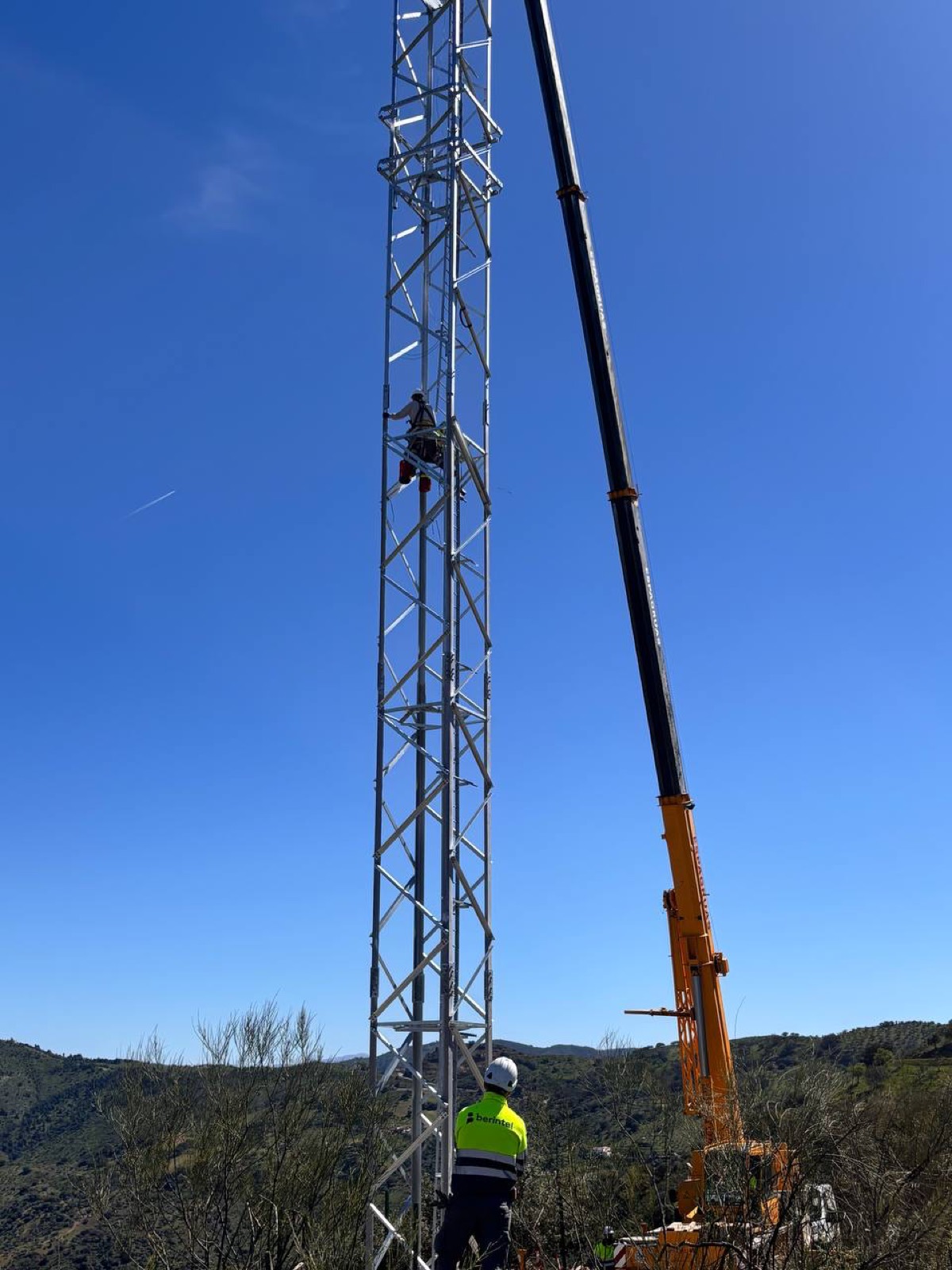
Fibre-optic deployment in rural areas is no longer a pipe dream: today it is possible to bring high-capacity networks to settlements across Spain that spent years cut off from the network. Closing the digital divide is, above all, an infrastructure challenge and a matter of equal opportunity, and at Berintel we tackle it with a 100% in-house team working on the ground, delivering the deployment for operators and public administrations. In this article we explain what the digital divide is, why it hits rural areas so hard, the technical challenges of deployment and the solutions available to connect every settlement.
What the digital divide is and why it affects rural areas
The digital divide is the inequality in access to a fast, stable and reliable internet connection. It is about far more than browsing: when a municipality lacks good connectivity, residents cannot work remotely with any guarantee, local businesses lose competitiveness, students struggle to access online learning, and basic tasks such as booking a medical appointment or managing your bank become difficult.
Rural areas bear the brunt of this disadvantage for demographic and economic reasons. Lower population density makes infrastructure more expensive per user, and for years network rollout was prioritised in the cities. The result is a vicious circle: without a good connection, young people leave; and as they leave, there is even less incentive to invest. Breaking that circle through well-planned network deployment is the goal of rural connectivity across Spain.
Connectivity in the country's rural areas
Spain is a vast and diverse territory with very different realities: from lowland plains and the coast to high mountains and the plateau. In many districts, well-served metropolitan areas sit alongside areas where fibre has arrived later and more unevenly, which calls for specific deployment plans from operators and public administrations.
The good news is that network deployment in rural areas is advancing at a healthy pace. FTTH fibre networks are reaching many small municipalities, and where fibre has yet to arrive there are technical alternatives that deliver a thoroughly decent experience. The key lies in combining technologies and knowing the terrain: no two settlements are the same.
The technical challenges of rural deployment
Bringing fibre to a scattered mountain settlement is nothing like wiring an urban neighbourhood. These are the main obstacles:
- Difficult terrain: mountain ranges, ravines and steep gradients make cable laying more expensive and slower, and demand a detailed study of each route.
- Long distances: kilometres of ducting to connect just a few homes drive up the cost per user.
- A dispersed population: farmsteads, hamlets and outlying districts far from the village centre call for tailored solutions.
- Permits and routing: coordinating with town councils, landowners and authorities adds time to the project.
Overcoming these challenges requires planning, local knowledge and, above all, technicians who walk the ground rather than managing everything from a distance.
The solutions to connect every corner
There is no single answer that works across the whole territory. Rural deployment is built by combining several technologies according to the characteristics of each area:
- FTTH fibre optics: the ideal option wherever it is viable, offering maximum capacity and stability, and the foundation on which operators deliver their services.
- Radio links: these bridge distances and difficult terrain by carrying the signal through the air to settlements the cable cannot yet reach, with excellent performance.
- Fixed 4G and 5G mobile solutions: a quick-to-deploy alternative for isolated homes or as a complement while fibre advances.
The best rural network is not the one that relies on a single technology, but the one that combines fibre, radio link and mobile so that no resident is left without a connection.
The impact on the territory
Connecting a municipality changes its future. A good internet connection enables remote working, which helps to retain residents and attract new ones who choose the quality of rural life without giving up their jobs. Local businesses, from a rural guesthouse to an agricultural cooperative, gain competitiveness, sell online and digitise their operations.
Connectivity also improves essential services such as remote healthcare, distance learning and e-government. In short, closing the digital divide is a tool for territorial cohesion that offers real opportunities in the face of depopulation.
How Berintel tackles it with an in-house team
Berintel is a telecommunications, infrastructure and energy company based in Granada, with more than 15 years of experience and nationwide coverage. We work with a 100% in-house team, which makes all the difference in rural areas: our technicians know the terrain, plan each deployment on the ground and respond swiftly without relying on subcontractors.
Berintel deploys, installs and maintains fibre-optic networks and external plant for operators and infrastructure across Spain, combining fibre, radio links and mobile solutions to suit each project, alongside energy and renewables work. If you are an operator or a public administration and need a deployment partner to close the digital divide in rural areas, get in touch with our team or explore our services. Call us on 958 01 27 65 or email info@berintel.es: we will help you take the network where it did not reach before.